

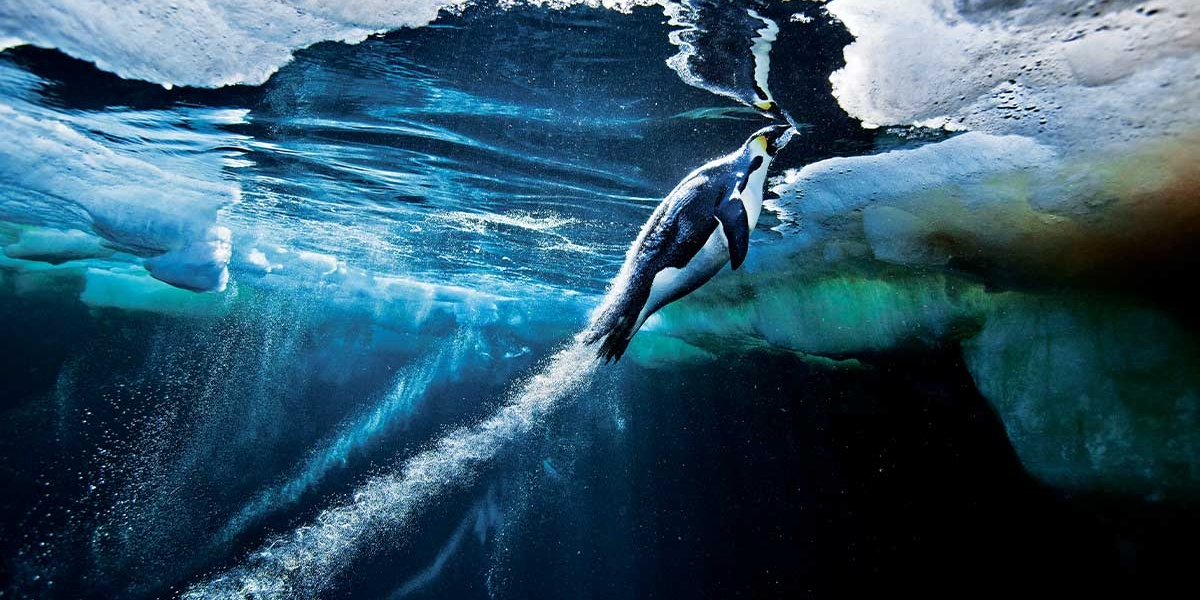
Penguins are rarely framed as solo creatures. We picture massive colonies, noisy group movement, and strength in numbers. But look closer, and you’ll see something surprising: penguins often travel alone by choice. Not because they’re reckless—but because they understand risk, timing, and survival.
For humans, especially those interested in traveling alone safely, penguins offer lessons that go far beyond cute metaphors. Their behavior is built on awareness, restraint, and adaptive decision-making—exactly what solo travelers need.
Solo Does Not Mean Unsafe
One of the biggest myths about solo travel is that being alone automatically makes you vulnerable. Penguins disprove this idea constantly. They don’t move alone when conditions are dangerous—but they do separate when it’s safer, more efficient, or less attention-drawing.
This maps directly to solo travel safety. Being alone often means:
- Fewer distractions
- Better situational awareness
- More control over your decisions
In many environments, solo travelers who stay alert are actually safer than groups that attract attention or move predictably.
Adaptive Behavior Is a Survival Skill
Penguins survive some of the harshest environments on Earth through adaptive behavior. They don’t follow rigid rules. They adjust constantly—weather, predators, energy levels, and terrain all factor into their choices.
For solo travelers, adaptive behavior looks like:
- Changing plans when something feels “off”
- Leaving earlier than planned
- Avoiding areas that suddenly feel unsafe
- Blending in instead of standing out
Rigid itineraries feel productive, but adaptability is what supports solo travel survival.
Awareness Beats Strength Every Time
Penguins aren’t the biggest or fastest animals in their ecosystem. Their advantage is awareness. They scan before moving, observe patterns, and avoid unnecessary exposure.
When traveling alone safely, awareness is more valuable than confidence or bravado. This includes:
- Reading body language around you
- Noticing who is paying attention to you
- Understanding local rhythms (busy vs quiet times)
- Trusting instinct over convenience
This is one of the most overlooked solo travel tips—your brain is your primary safety tool.
Energy Conservation Matters
Penguins are masters of conserving energy. They don’t rush without reason. Every movement has a cost.
Solo travelers often do the opposite: packing too much into a day, pushing through exhaustion, or ignoring burnout. Fatigue reduces judgment—and poor judgment increases risk.
Solo travel survival isn’t about doing more. It’s about staying sharp long enough to make good decisions.
Survival Strategies, Not Fear
Penguins don’t live in fear of predators—but they don’t ignore them either. Their survival strategies are calm, consistent, and proactive.
For solo travelers, this means:
- Planning exits, not just entrances
- Knowing where help is before you need it
- Avoiding risky situations instead of “handling” them
- Preparing quietly, not dramatically
Good solo travel safety doesn’t look paranoid. It looks prepared.
The Real Lesson Penguins Teach Us
Penguins don’t travel alone because they’re fearless.
They travel alone because they understand when it makes sense.
For humans, the goal isn’t to eliminate risk—that’s impossible. The goal is to move through unfamiliar environments with awareness, adaptability, and respect for reality.
If penguins can survive ice, predators, and brutal conditions through calm decision-making, solo travelers can absolutely learn to move smarter, safer, and more confidently.
Travel alone.
Stay aware.
Stay alive. 🐧