
The South Island of New Zealand is a dream destination for nature lovers, road trippers, and adventure seekers. Known for its dramatic mountains, turquoise lakes, glaciers, and rugged coastlines, it often looks like a luxury travel hotspot. But the truth is — you can explore this spectacular island on a budget with smart planning.
This detailed guide covers transportation, accommodation, food, activities, and practical money-saving tips to help you experience the best of the South Island without overspending.
Why Choose the South Island?
Compared to the North Island, the South Island is less crowded and more wilderness-focused. It is home to:
- Towering peaks and alpine villages
- World-famous fjords
- Glaciers and national parks
- Scenic road trips
- Outdoor adventures at every level
The best part? Most of the island’s top attractions are natural landscapes — and nature is free.
Getting There and Around
Flying In
Most international and domestic travelers start their journey in Christchurch, the largest city in the South Island. It typically offers the most affordable flight options and rental car availability.
Alternative arrival points include:
- Queenstown (ideal for adventure travelers)
- Nelson (great for access to northern parks)
Booking flights early and traveling during shoulder seasons (April–June, September–November) can significantly reduce costs.
Budget Transportation Options
Public transportation in the South Island is limited, so most travelers choose one of these:
1. Rental Car (Best Value for Groups)
Ideal for flexibility and sharing fuel costs. Expect lower prices during off-season months.
2. Campervan
More expensive upfront but saves on accommodation. Suitable for longer stays.
3. Intercity Bus Network
Affordable but less flexible for remote areas.
Fuel costs can be high, so plan routes carefully and avoid unnecessary backtracking.
Budget-Friendly Destinations
1. Queenstown – Adventure Without Overspending
Queenstown is known as New Zealand’s adventure capital. While activities like skydiving and bungee jumping are costly, there are plenty of free alternatives:
- Hike Queenstown Hill for panoramic views
- Walk along Lake Wakatipu
- Explore historic Arrowtown
- Visit public beaches and scenic lookouts
Accommodation Tip: Stay in hostels or shared apartments to keep costs low.
2. Fiordland National Park & Milford Sound
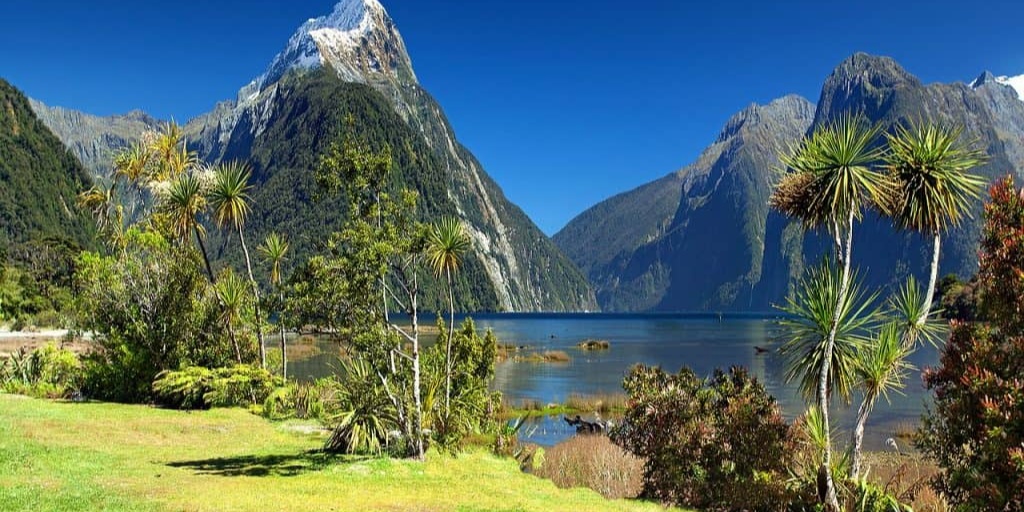
Fiordland National Park is one of New Zealand’s most breathtaking regions. Its crown jewel, Milford Sound, features dramatic cliffs and waterfalls.
Budget Advice:
- Self-drive instead of booking guided day tours
- Pack your own food
- Book cruises in advance for better deals
- Stay in Te Anau rather than Milford for cheaper lodging
3. Aoraki / Mount Cook National Park
Home to the country’s highest peak, Aoraki / Mount Cook is a must-visit for hikers and photographers.
Free Activities:
- Hooker Valley Track
- Tasman Glacier viewpoint walk
- Stargazing in the Dark Sky Reserve
Camping at Department of Conservation (DOC) sites offers affordable accommodation options.
4. Abel Tasman National Park
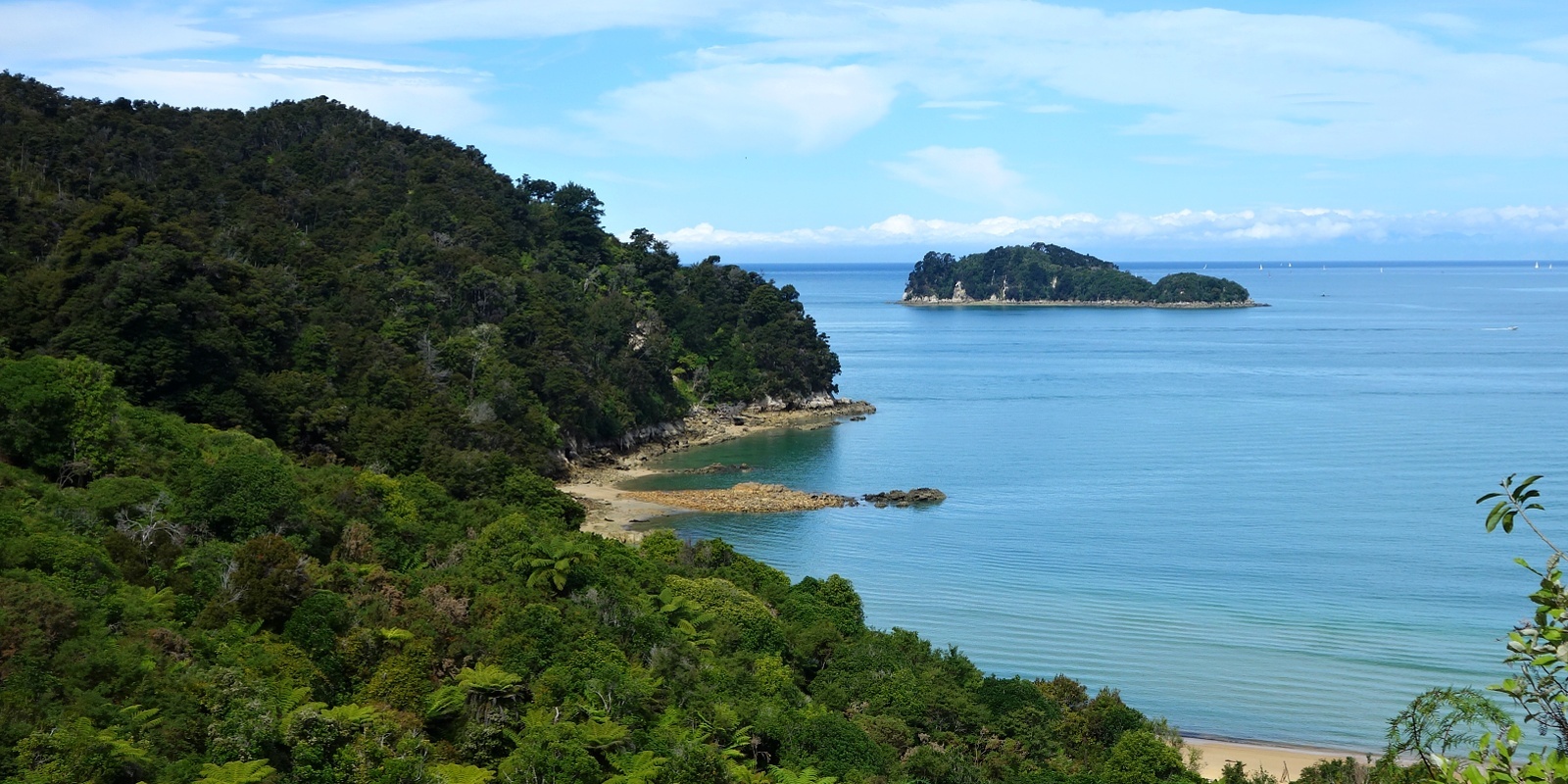
Located at the northern tip of the island, Abel Tasman National Park is famous for golden beaches and clear waters.
Budget Tips:
- Hike sections of the coastal track instead of kayaking tours
- Use water taxis one way and walk back
- Camp at DOC campsites
Entry to the park is free.
5. West Coast Glaciers
The West Coast is home to Franz Josef Glacier and Fox Glacier.
While helicopter glacier hikes are expensive, there are free walking trails with excellent viewpoints. Budget travelers can enjoy the scenery without booking premium tours.
Accommodation on a Budget
Hostels
Dorm beds are widely available in major towns and are the most affordable option for solo travelers.
DOC Campsites
Managed by the Department of Conservation, these campsites are simple but scenic and affordable.
Freedom Camping
Allowed only in designated areas. Check local regulations before parking overnight.
Work Exchange
Platforms like Workaway allow travelers to exchange a few hours of work for free accommodation.
Eating on a Budget
Dining out in New Zealand can be expensive, but you can save money by:
- Shopping at major supermarkets
- Cooking meals in hostel kitchens
- Packing food for day hikes
- Buying affordable takeaway options like fish and chips
Carrying a reusable water bottle also helps save money.
Best Time to Travel for Lower Costs
Shoulder Seasons (April–June, September–November)
- Lower accommodation rates
- Fewer crowds
- Mild weather
Summer (December–February) offers the best weather but comes with peak prices.
Estimated Daily Budget
Backpacker-style travel typically ranges between:
- Accommodation: Budget hostels or campsites
- Food: Self-cooked meals
- Transport: Shared fuel costs
- Activities: Mostly free hikes and scenic walks
Average daily budget: Moderate spending with careful planning.
Practical Money-Saving Tips
- Travel with friends to split transport costs
- Avoid one-way car rental drop-off fees
- Book activities online for discounts
- Plan a circular route to save fuel
- Use travel apps for campsite and parking information
Final Thoughts
The South Island of New Zealand proves that extraordinary landscapes don’t require extraordinary spending. With careful budgeting, self-catering, and a love for outdoor adventures, you can explore glaciers, fjords, mountains, and beaches without breaking the bank.
From the dramatic beauty of Milford Sound to the alpine scenery of Aoraki / Mount Cook and the golden shores of Abel Tasman National Park, the South Island offers world-class experiences that are surprisingly accessible for budget travelers.